A countdown, a reset, a dimmed transition, then a victory screen: my script-editor instinct wants to stitch a motive through them. The footage has not earned one yet.
The opening establishes a stage, not a motive
The recording opens with a countdown and a group of avatars on floating platforms. That is a clean scene-setting device: the audience knows a run is about to start. But the clip provides no legible character goal beyond moving through the course. Around 01:15, a restart dialog changes the scene into recovery; the reason for failure is not visible enough to function as story information.

A transition card promises more than it explains
A partially visible title card around 02:08 reads “OBBY PARK ESC…” before the later obstacle route appears. It could identify a stage, a game, or an inserted transition. The footage does not resolve which. The later course has a measurable progress bar and a finish marker, so its dramatic question is simple: can the avatar reach the end? A victory screen answers that once and offers two claims. The structure is legible, but the connective narrative is thin.

There is no need to invent lore
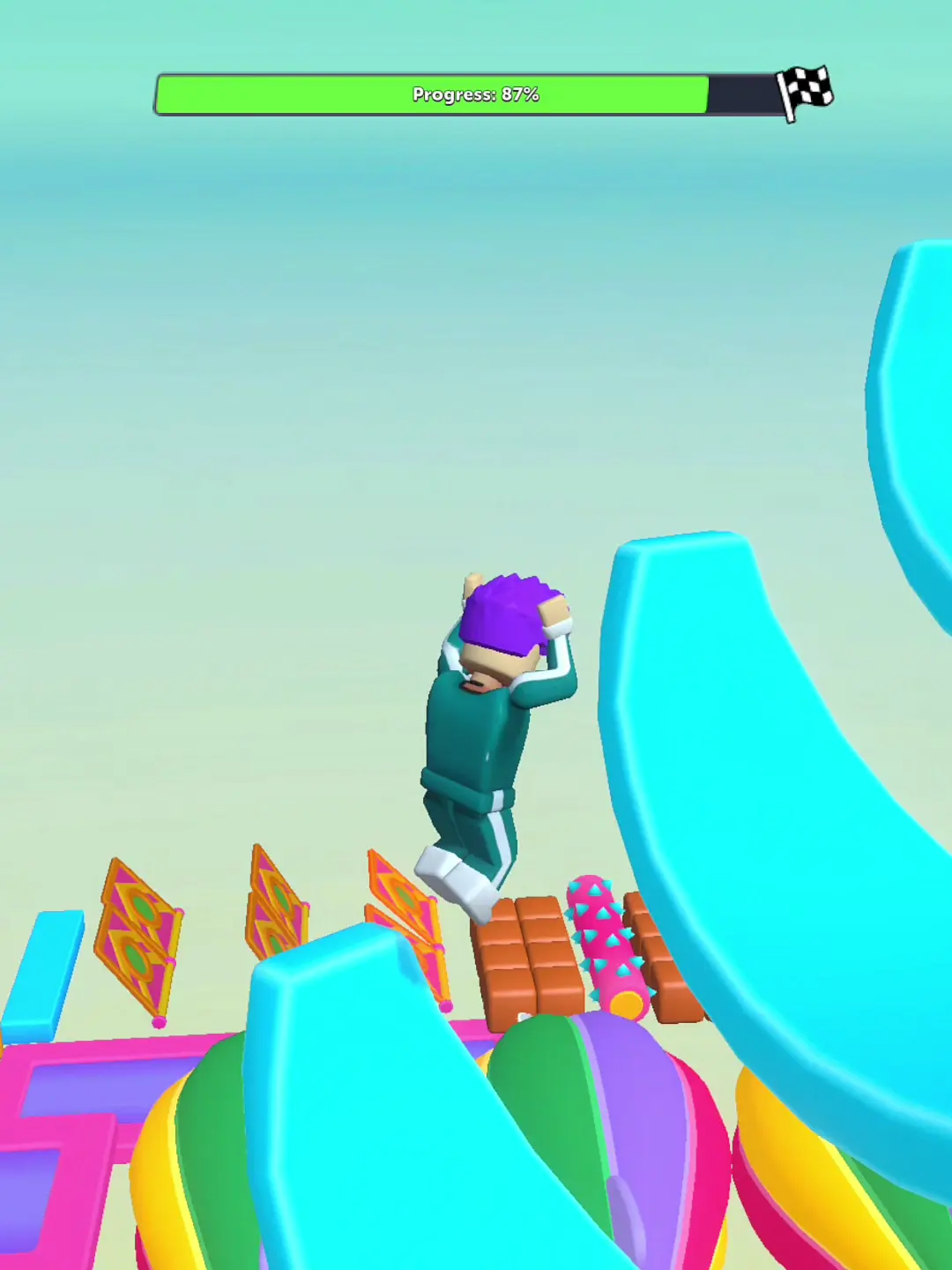
The store listing pitches keyboard-themed parkour and speed gain; the supplied frames show colorful platforms and hazards but no clearly readable keyboard, dialogue, or character motivation. That absence in the sample does not prove the game has no story elsewhere. It does mean a review should not manufacture a backstory or claim a narrative arc beyond the visible attempt, interruption and finish.
Verdict
As a short action sequence, the footage has a beginning, a reset, a transition and a visible win. As a story, it leaves its central motive unanswered. A continuity card naming the course and showing the next objective could add meaning without adding dialogue. This is a reading of the supplied footage, not a claim about the store page narrative or about unshown levels.
Sequence without a story
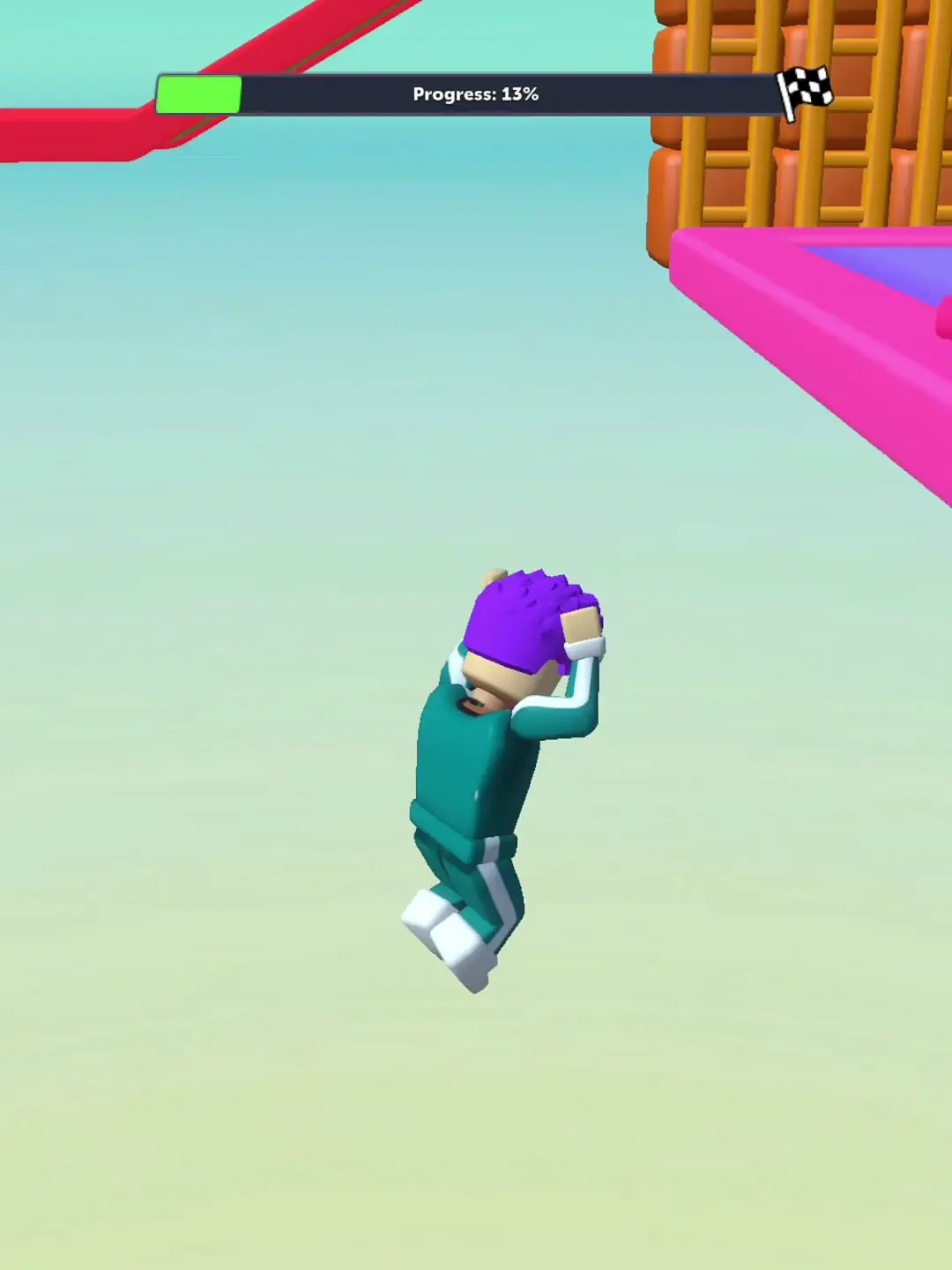
The recording contains a countdown, a reset, a partially readable transition card, later course sections, and a victory state. That sequence supports discussion of structure, but not a story premise or character motivation. A clearer course label or objective at the transition could explain the change without implying narrative details that the footage does not show.
The scene change is the story the edit can support
There is a sequence of start, obstacle, reset and finish states. That is enough to discuss presentation, but not enough to claim a character arc or plot. One clean transition between course sections would make the structure legible without asking the viewer to invent lore.
What players mention
Three reviews visible on the public Google Play listing showed mixed reactions. This small sample cannot represent the wider player base.
Official Google Play page / download ↗Gameplay videos
Watch the supplied Keyboard Escape playlist.