My notebook has two columns: what the frame shows, and what I am tempted to infer. A start countdown belongs in the first. The cause of a failed run stays out until a clip proves it.
Observation before explanation
Observed: the clip starts with a countdown and multiple avatars; the first segment uses colored hex platforms; a restart prompt appears; a later segment has a progress percentage and finish flag; the victory screen offers a video-marked multiplier and a standard claim. These statements are tied to visible frames. They do not prove that the avatars are competing, that a hazard caused the restart, or that the multiplier ad played.
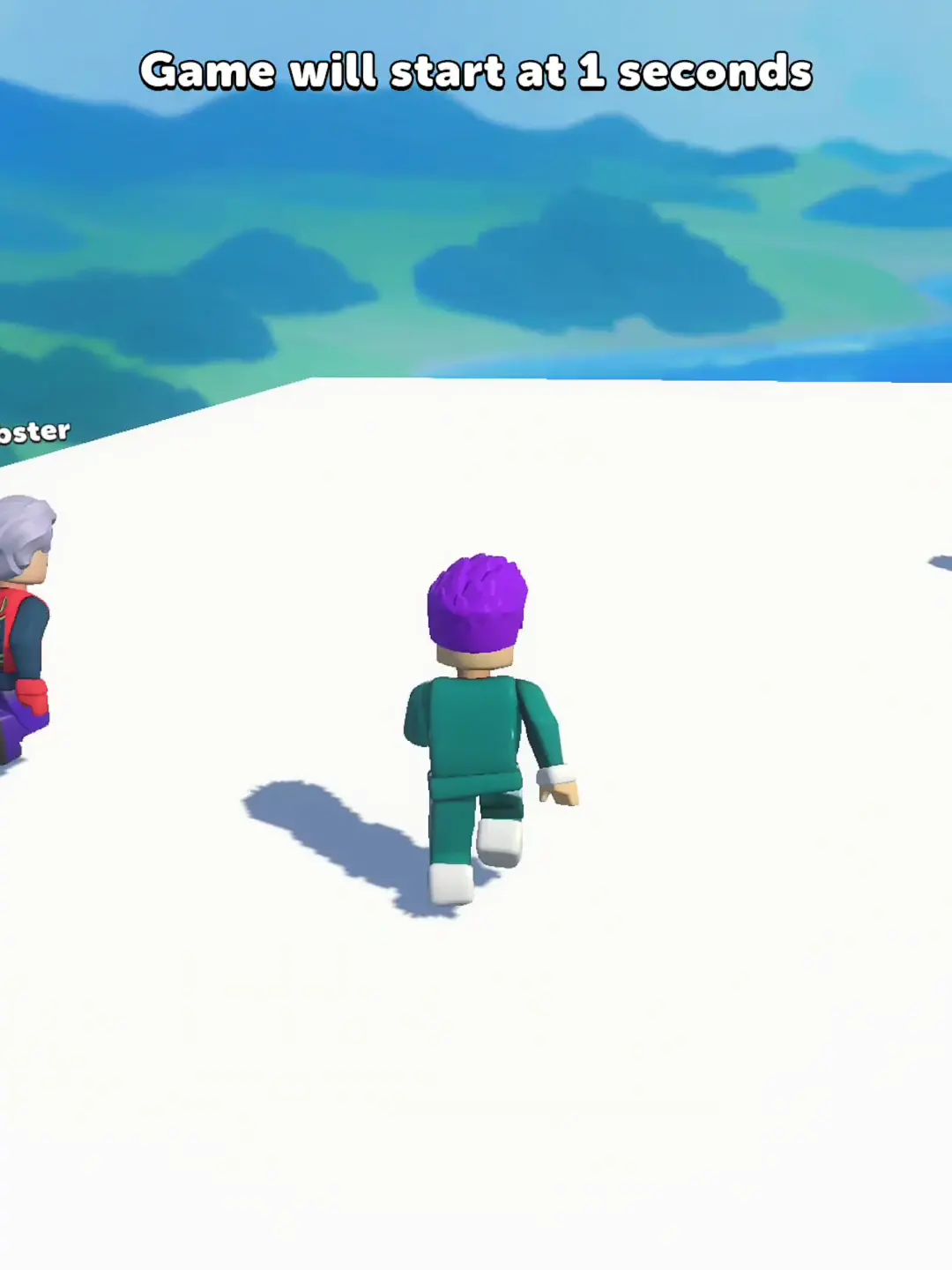
The proposed rule is not demonstrated
The supplied sample shows a progress meter, but no speed counter or keyboard surface is clearly legible; the video does not establish how speed progression changes movement. In the supplied sample, the progress meter is visible, but no speed counter or keyboard surface is clearly legible. That leaves an important causal chain untested: action → speed change → altered control → outcome. The footage shows obstacle presence; it does not isolate their triggers or explain collisions.
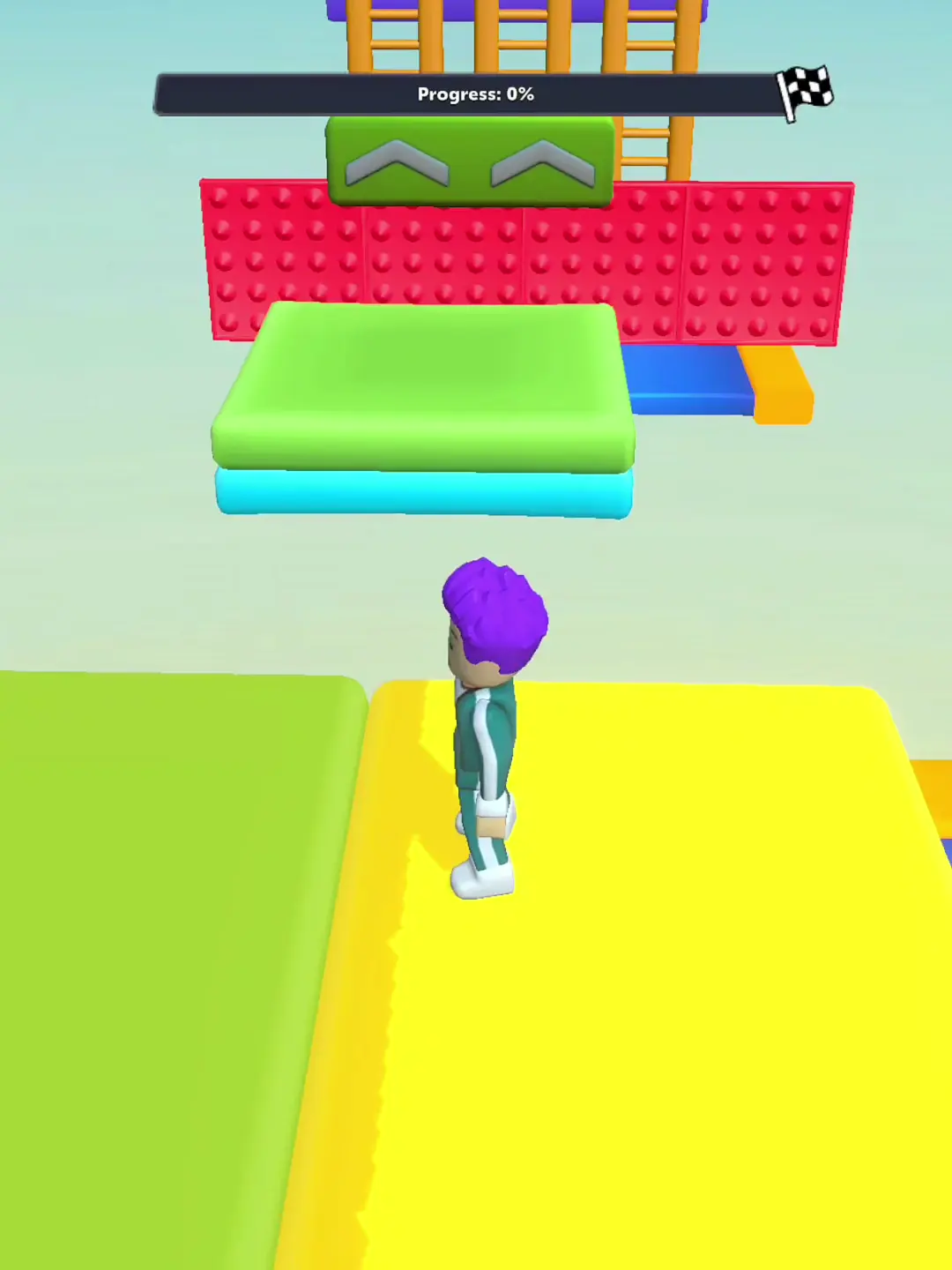
Two confounds remain
First, the visible start area contains player-name labels, but the clip does not prove live multiplayer behavior rather than recorded avatars. Second, the partial OBBY PARK ESC transition card is not fully legible. A third limitation is the store-review sample: three entries surfaced on the public listing are not representative, and the page displayed inconsistent rounded totals across sections. These are separate evidence limits, not reasons to discard visible gameplay observations.

Verdict by confidence
High confidence: the supplied file contains at least two visually different course sections, restart and victory states, progress UI and varied obstacles. The recording does not establish speed mechanics, hazard timing, multiplayer rules, audio experience, ad frequency or device performance. The video supports a bounded review of visible course design and UI; it does not support conclusions about unshown rules, controls, or progression.
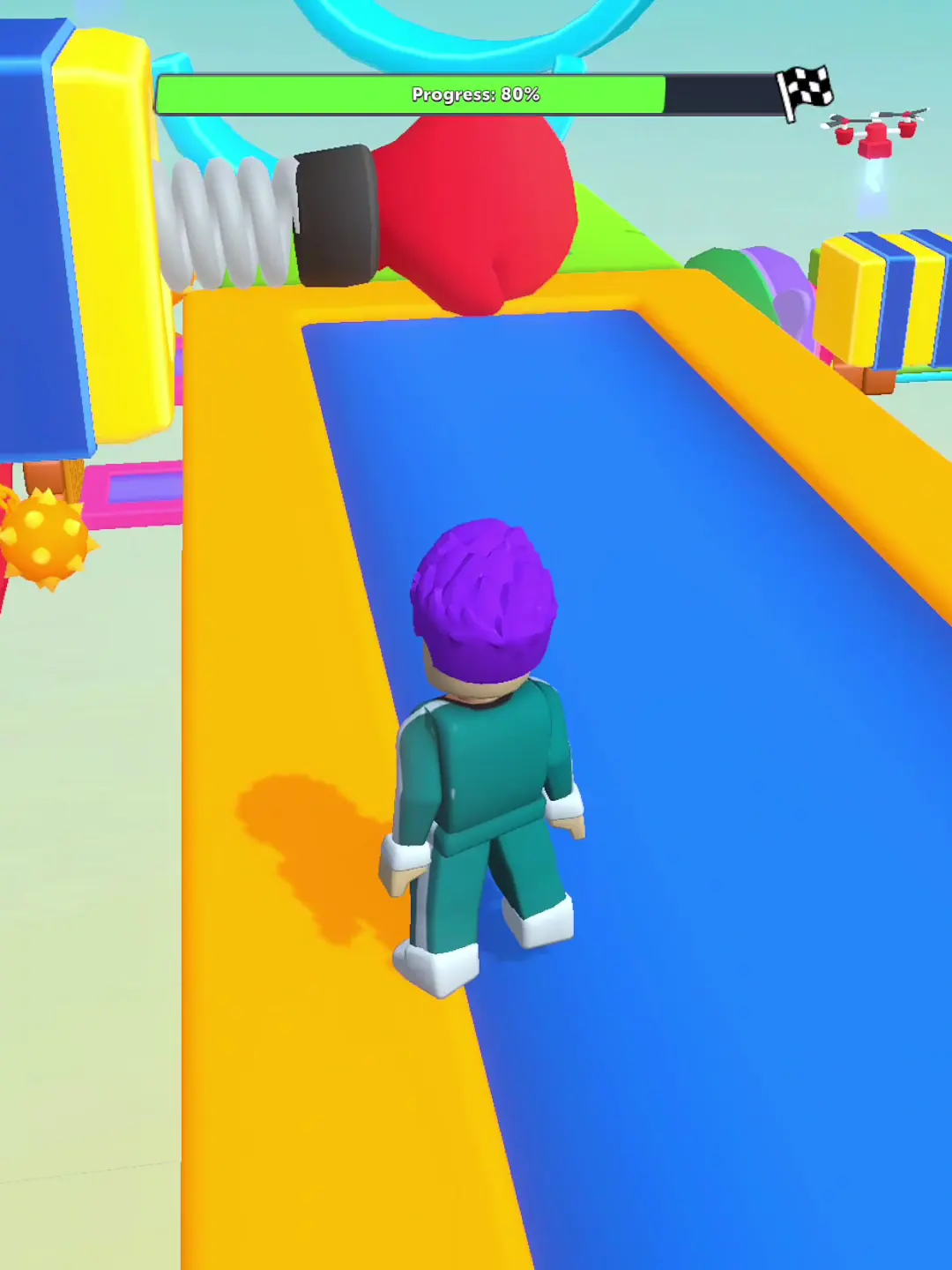
Where the evidence stops
The frames show player-name labels, a restart dialog, a progress meter, a finish marker, and two reward buttons. They do not establish whether the named avatars are live opponents, what caused the restart, whether an ad played, or whether the course sections belong to one uninterrupted run. Those mechanics need direct interaction evidence before they can be stated as facts.
A cause needs a second run
The material supports a cautious description of the visible route, progress bar and hazards. It does not isolate what triggers failure or prove that speed increases after each action. A controlled replay with one variable changed would turn those guesses into testable claims.
What players mention
Three reviews visible on the public Google Play listing showed mixed reactions. This small sample cannot represent the wider player base.
Official Google Play page / download ↗Gameplay videos
Watch the supplied Keyboard Escape playlist.